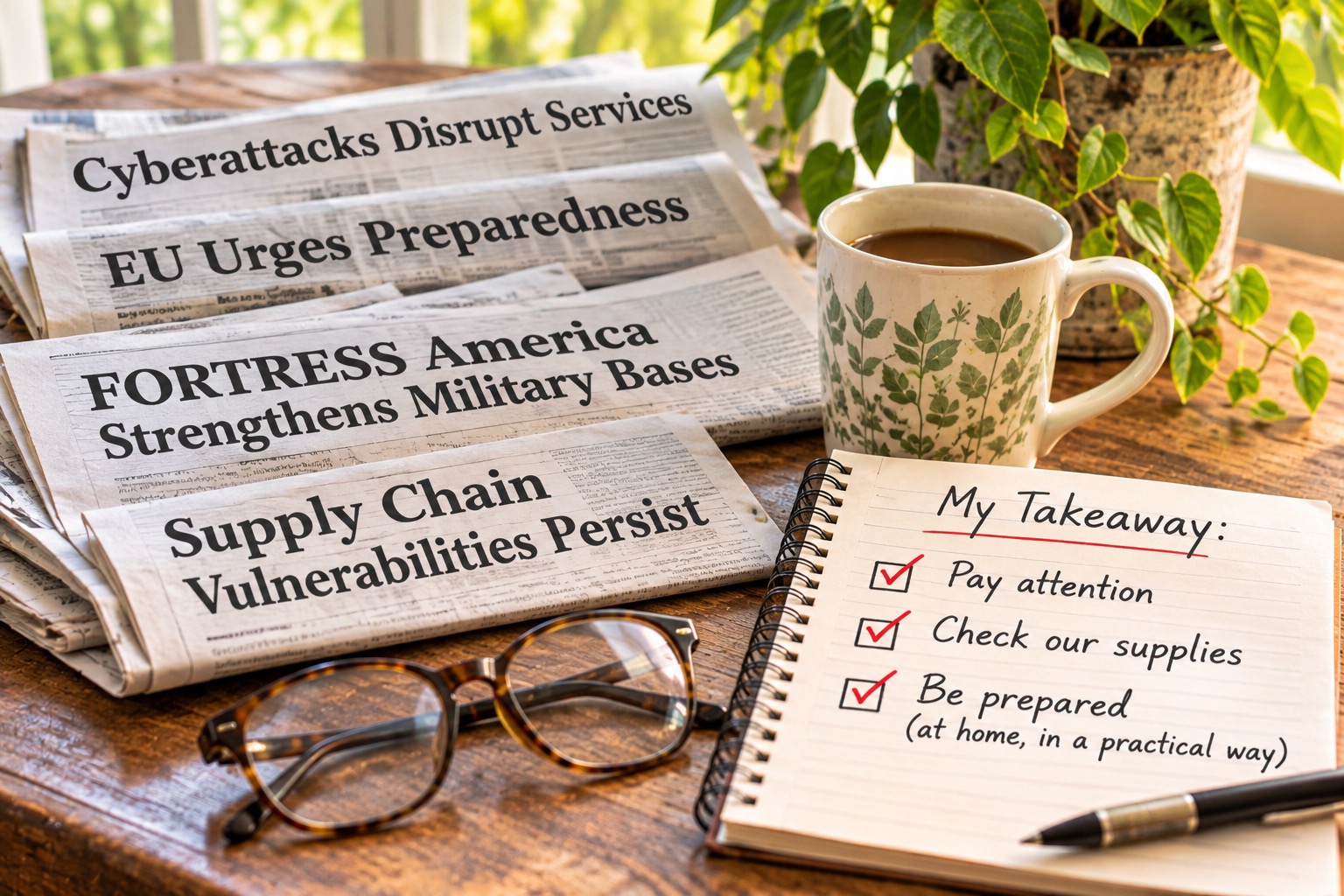
Seven days of household preparedness, a few surprises, and one very practical goal.
Lately, I’ve been noticing something that makes me a little uneasy.
Governments around the world are encouraging their citizens to prepare for emergencies. We’re hearing about cyberattacks, vulnerabilities in electrical grids and water systems, supply chain disruptions, and the possibility of losing services we depend on every single day.
And some recent developments have certainly caught my attention.
Just this week, supermarkets in Sweden and several other European countries experienced cyberattacks that caused refrigerators and freezers to warm up. Stores were forced to throw away large quantities of food because it was no longer safe to sell.
Think about that. A cyberattack, and suddenly perfectly good groceries are headed for the dumpster.
Meanwhile, the European Union has been encouraging households to prepare for at least 72 hours of self-sufficiency during emergencies. In fact, new preparedness guidelines were released just this week.
Here in the United States, the Pentagon has been working on an initiative called FORTRESS America, intended to help major military installations operate independently for extended periods if electricity, water, or supply systems are disrupted.
And then there’s something we’ve already experienced firsthand.
Remember COVID?
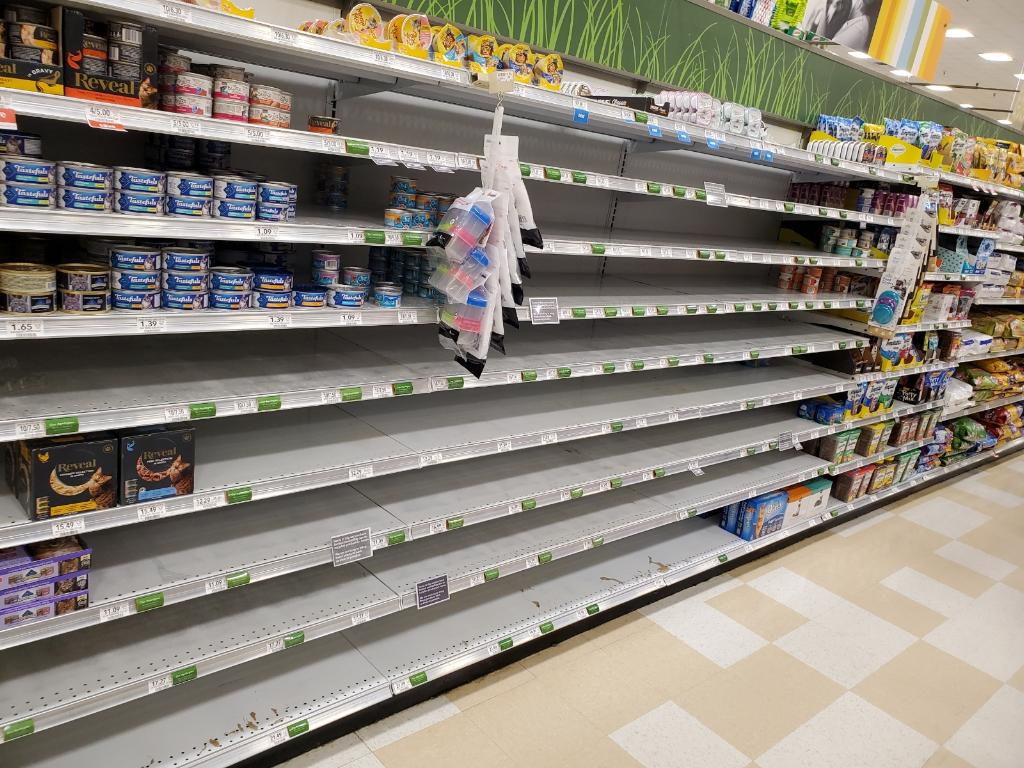
Remember the empty grocery shelves? The toilet paper shortages? The difficulty finding ordinary household products we’d always taken for granted?
We learned how quickly supply chains could be disrupted and how frustrating it was when something as simple as buying groceries became a challenge.
All of this has me wondering: Why does everybody seem to be talking about preparedness?
Maybe governments are recognizing how vulnerable our modern conveniences can be. Maybe we’re finally paying attention to problems that have existed for years.
I don’t know.
But I am paying attention. And yes, I’m a little concerned.
Not concerned enough to start digging a bunker in the backyard, mind you. At my age, I’m not particularly interested in hauling a 40-pound backpack into the wilderness and surviving on roots and berries.
My knees and I have discussed this. The vote was unanimous.
What I am interested in is making sure my household can manage if the electricity goes out, the water stops running, or the grocery stores aren’t an option for a while.
Because those are possibilities I can actually prepare for.
A Little Experience Goes a Long Way
Living in Florida means we’ve had plenty of practice thinking about emergencies.
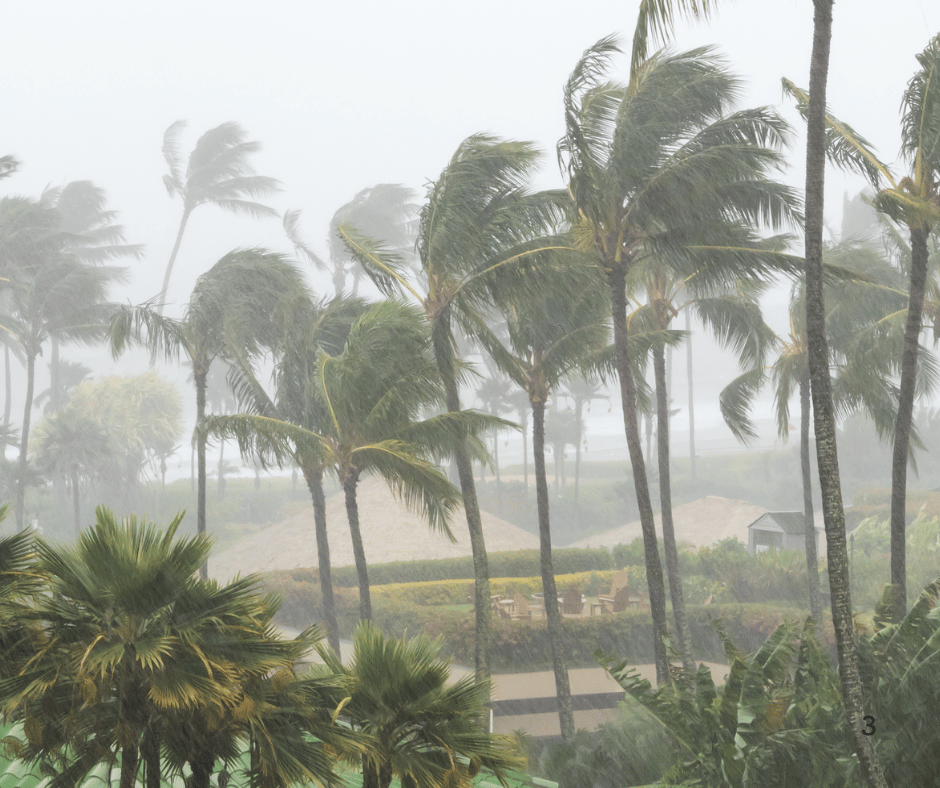
Hurricanes have a way of reminding you how quickly ordinary life can change. Stores close. Gas stations run out of fuel. Electricity disappears. Sometimes water service becomes unreliable.
Over the years, we’ve accumulated a fair amount of emergency equipment and supplies. After living through a few hurricane seasons, you tend to learn what you actually need.
So when I recently decided to take a closer look at our household preparedness, I was reasonably confident we’d be in good shape.
And, for the most part, we are.
We have flashlights, batteries, ways to charge essential devices, a battery-powered radio, and a way to prepare meals without electricity.
We have medications, first-aid supplies, emergency cash, important phone numbers written down, and provisions for sanitation if the water stops running.
We also have a plan for managing without air conditioning, although I’m particularly grateful that November has finally brought some cooler weather to Florida.
All things considered, not bad.
But then I started looking at the pantry.
Apparently, We Need to Talk About the Groceries
Here’s where my confidence took a little tumble.
We have food in the house. Of course we do.
But do we have enough food to prepare seven days of meals without making a trip to the grocery store?
And how much of that food could we eat if the electricity were out?
Those are two very different questions.
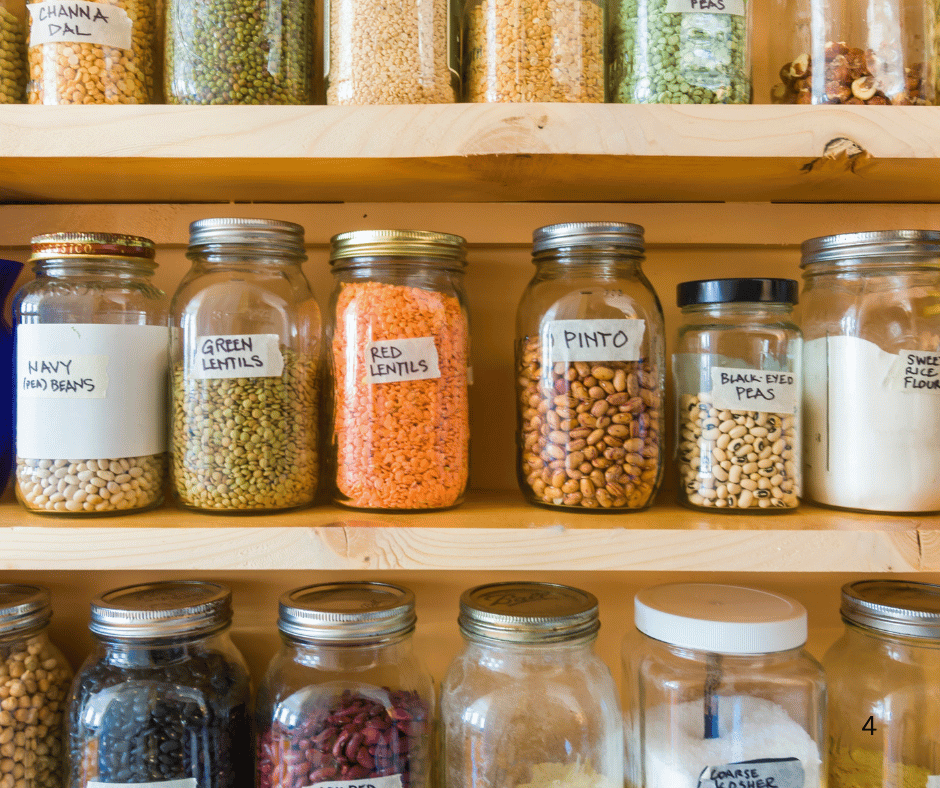
A freezer full of food is wonderful until the power goes out for several days. And a pantry full of ingredients isn’t particularly helpful if every meal requires an electric stove.
Then there’s water.
We have some drinking water, but I already know we need more.
For two people, seven days means at least 14 gallons of water, based on the standard recommendation of one gallon per person per day. And that’s just a starting point. Florida heat, medical needs, pets, and household sanitation can increase the amount considerably.
And if the water service stops, we’ll need to think about washing, cleaning, and flushing toilets, too.
Apparently, I have a little shopping to do.
What Actually Concerns Me
What concerns me isn’t spending a few days without electricity. We’ve lived in Florida long enough to know how that works.
It’s realizing how much of our everyday life depends on systems we have absolutely no control over.
Electricity. Water. Banking. Communications. Grocery distribution.
Everything is connected.
And while I don’t believe every frightening headline I read, I also don’t think it’s wise to ignore legitimate warnings.
Does that mean something terrible is about to happen?
I have no idea.
But I’d rather spend a little time preparing for a disruption that never happens than find myself standing in a dark kitchen, wondering why I didn’t buy a few more cans of soup.
Seven Days First. Thirty Days Eventually.
My immediate goal is simple: Make sure we can comfortably manage for seven days without electricity, running water, or a trip to the grocery store, provided our home is safe.
But my longer-term goal is to have enough food in the house to go an entire month without shopping.
I’m not there yet.
And I’m not planning to accomplish it by buying expensive emergency food buckets or turning every closet in the house into a miniature grocery store.
I’d rather build a sensible pantry with foods we already eat.
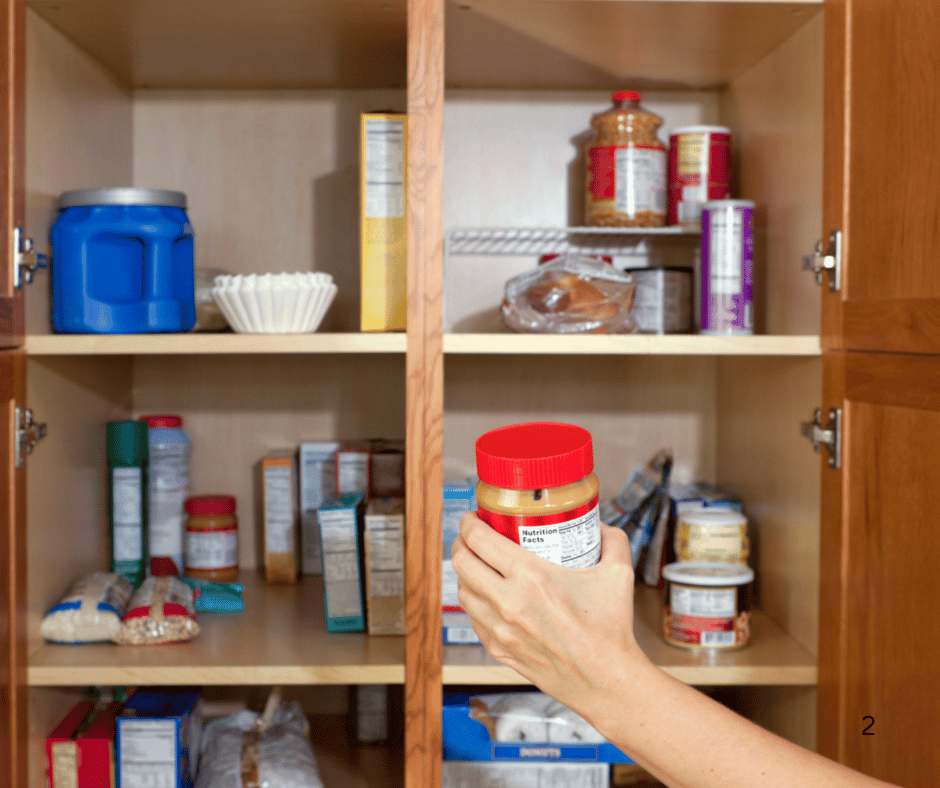
A few extra cans of vegetables. Some canned chicken or tuna. Peanut butter. Crackers. And rice, beans, and other staples we can prepare with the equipment and fuel we already have.
Buy a little extra when something is on sale. Use what we have. Replace what we use.
Nothing terribly complicated.
I’ll also be adding more drinking water and checking our supplies for washing and sanitation.
A month’s worth of food is one goal. A month’s worth of water is a different challenge entirely, and one I’ll have to approach separately.
For now, I’m starting with seven days and building from there.
A Simple Seven-Day Pantry Check
Here’s something you can try without buying a single thing.
Take a look through your pantry, refrigerator, and freezer. Then ask yourself:
- Could I put together seven days of meals with the food already in my house?
- Which of those meals could I prepare without electricity?
- Do I have enough drinking water for everyone in the household?
- What would I need to buy or change to fill the gaps?
You might discover you’re better prepared than you thought.
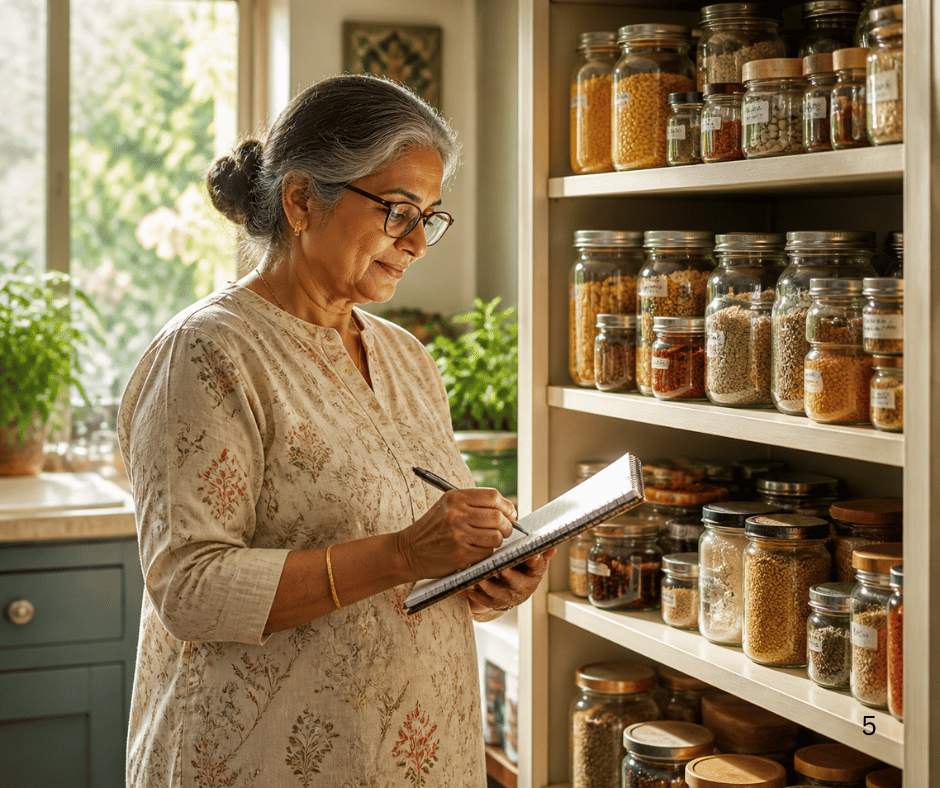
Or, like me, you might discover that having plenty of groceries isn’t quite the same as having a workable emergency food plan.
Either way, you’ll know where to start.
And that’s a whole lot more useful than worrying about the latest headline.
Prepared Doesn’t Mean Panicked
I don’t intend to spend my days worrying about cyberattacks, electrical grids, or what might happen next.
There are plenty of things in this world I can’t control.
But I can take a look at what’s in my pantry.
I can make sure we have enough drinking water.
And I can do a little more today than I did yesterday.
That’s what preparedness looks like in my house.
Not bunkers. Not fear. Not a garage full of survival gear.
Just ordinary people making sensible decisions so that an unexpected disruption doesn’t become a household crisis.
And once I’ve taken care of what I can control, I intend to get back to gardening, stitching, and enjoying my life.
After all, that’s what I’m preparing to protect.
How about you? Could your household manage for seven days without electricity, running water, or a trip to the grocery store? Have you thought about keeping a month’s worth of food on hand?
I’d love to hear what you’re doing—or what you’ve discovered you still need to do.