I belong to several Florida gardening Facebook groups, and over the past few weeks my feed has been filled with heartbreaking photos. Frozen plants. Blackened tropicals. Entire gardens devastated by cold damage. As I scrolled through image after image, I’ll admit — I was dreading going outside to assess my own garden.
Let me back up a moment.
This has been a brutal winter for us here in Florida — by Florida standards. From January until just a few days ago, it’s been relentlessly cold. Day after day of sweater weather and freeze warnings. Many nights dipped into the 30s and 40s. Fellow gardeners even reported snow flurries.
Yes. Snow flurries in Zone 10A.
It wasn’t just the temperatures. The wind made it worse. Feels-like temps dropped into the teens and 20s, which made stepping outside feel like a chore, not a joy.
After seeing so much damage online, I finally steeled myself to go out and face whatever destruction awaited. (After it warmed up a little, of course.)
And I was pleasantly surprised.
No cold damage. None.
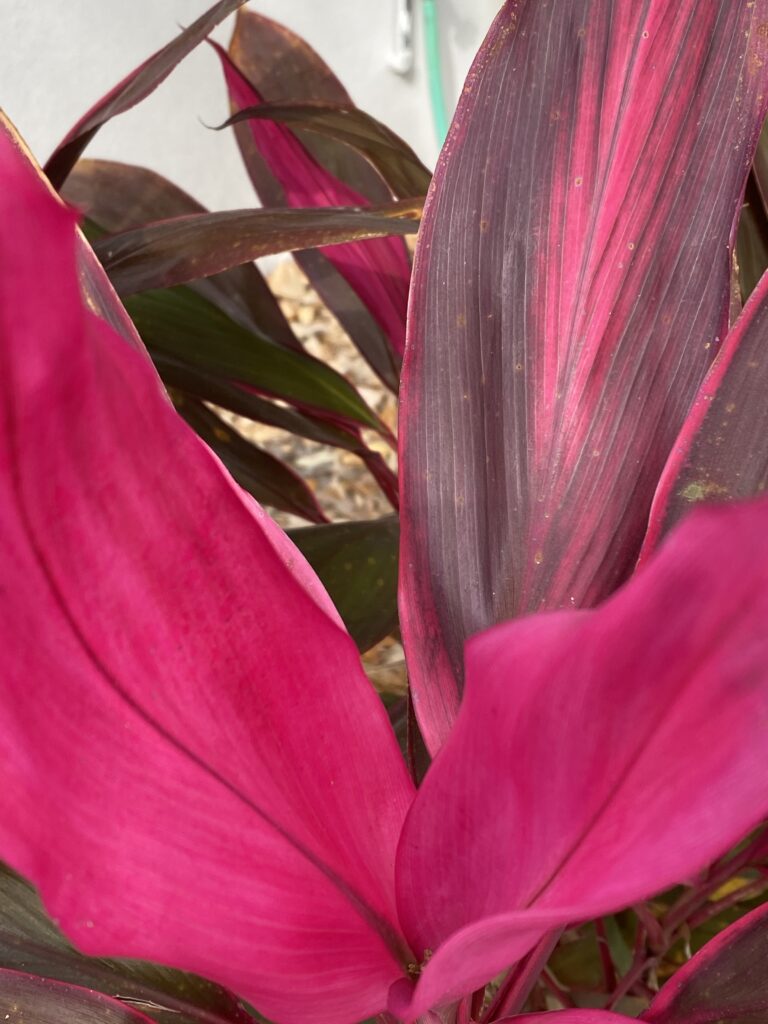
My tropical plants — the ones that should have been most vulnerable — came through unscathed. The foliage is healthy. The plants are thriving. Not a single blackened leaf in sight.
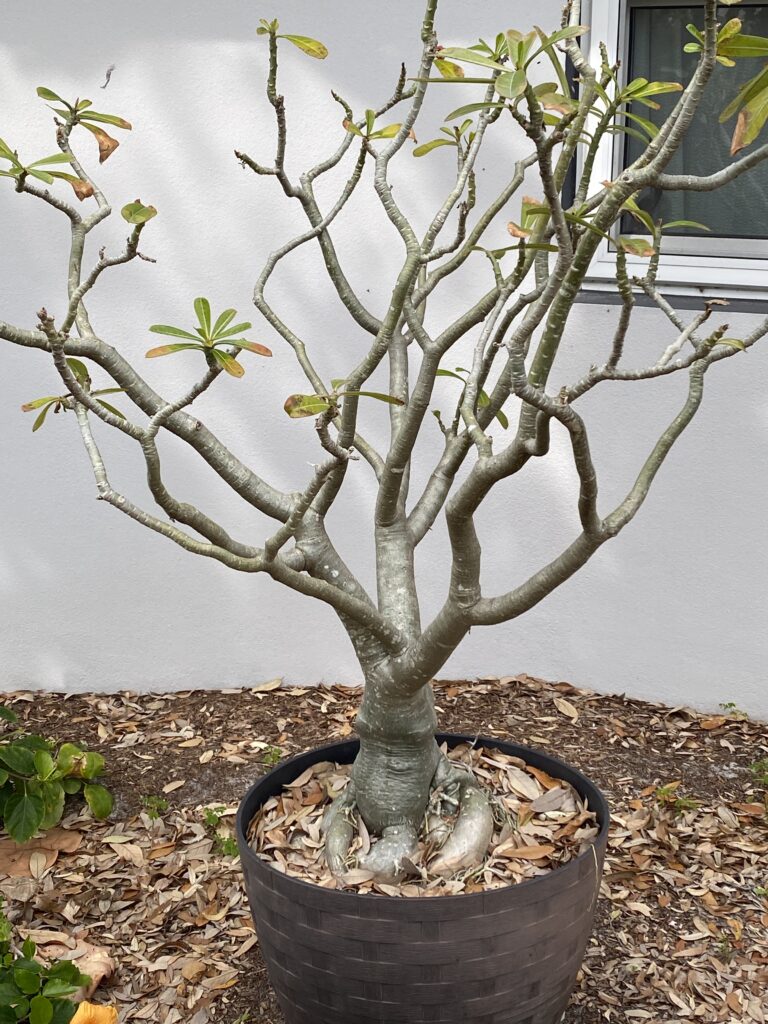
I believe the difference was our proximity to the Gulf. Living this close to the water likely gave us just enough moderation — maybe only a degree or two — but that was enough to protect my garden when others weren’t so fortunate.
It’s a reminder that microclimates matter. In gardening, one or two degrees can mean the difference between survival and loss.
We’re warming up now, and I’m grateful my garden weathered this unusual winter intact. My heart truly goes out to fellow Florida gardeners who are facing cleanup and replanting after this cold stretch.
February Garden Plans
Now that temperatures are climbing again, February is prime time.
And that’s where things can get overwhelming.
Because here’s the truth:
February in Zone 10A is a planting buffet.
Lettuce. Spinach. Radishes. Carrots. Beets. Bush beans.
Tomatoes. Peppers. Eggplant.
Zinnias. Cosmos. Marigolds. Nasturtiums. Sunflowers.
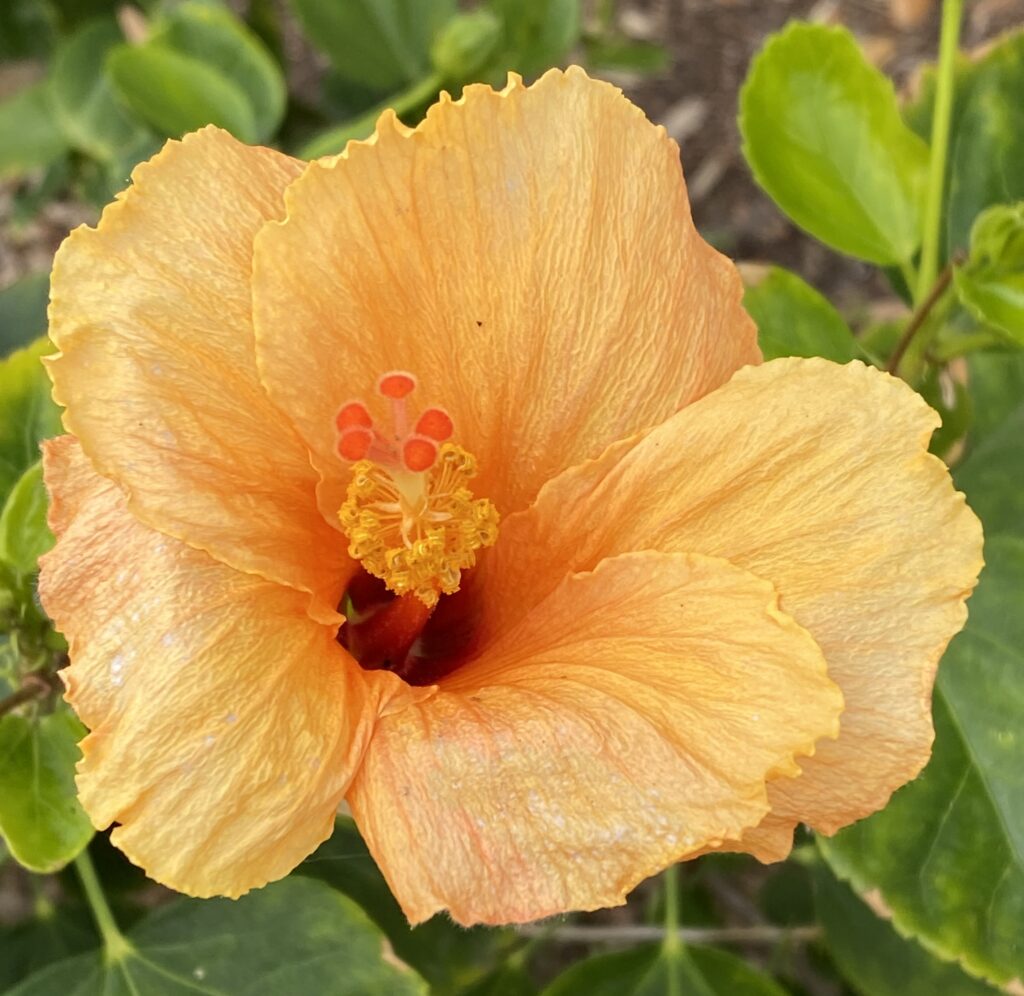
It’s easy to get excited and go in ten different directions.
And if I’m honest, there are times I wonder if I have garden ADD. I get so excited about everything I could plant that I end up spinning in circles and not accomplishing much at all.
This year, I’m doing it differently.
Instead of trying to plant everything, I’m starting with four.
What I’m Planting Now
Little Marvel Peas
A dwarf variety perfect for a 15-gallon grow bag and small trellis. These need to go in now while cool weather remains. I’ll soak the seeds 8–12 hours, plant 1 inch deep, and harvest in about 62 days. If March heat arrives early, I can move the grow bag into my shade house. Mobility is a gift in Florida gardening.
Burpee’s Golden Beets
A 1940s heirloom with sweet, golden roots and tender greens. Each seed contains multiple seedlings, so thinning is essential. I’ll tuck these into spaces around my chickpeas in the raised bed.
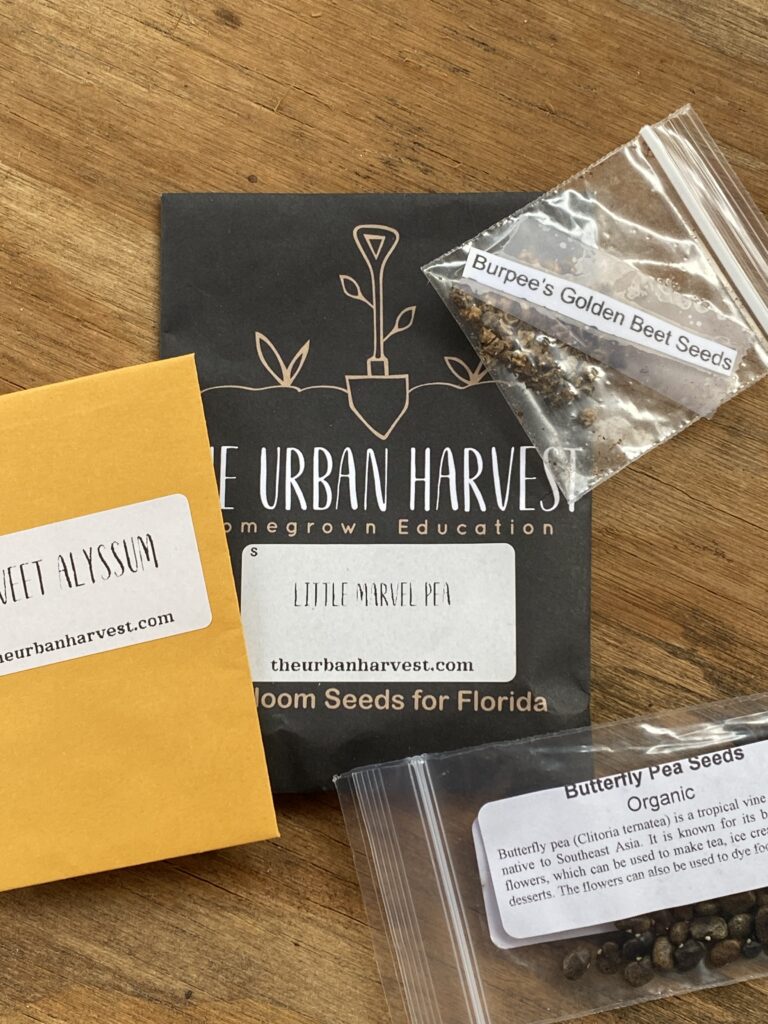
Sweet Alyssum
Honey-scented, beneficial-insect-attracting, and perfect for winter here. The seeds need light to germinate, so I’ll press them gently into the soil surface. They’ll create a living mulch and draw in pollinators and pest control allies.
Butterfly Pea
A perennial vine that thrives in Florida heat. I’ll scarify and soak the seeds before planting. Once established, it will fix nitrogen, produce beautiful blue flowers, and bloom continuously through summer.
Four plants. That’s it.
First Things First: Yard Cleanup
Before I get too ambitious, I need to address the yard situation.
We have several live oak trees. I love them. They’re majestic and beautiful.
They’re also messy.
Acorns. Endless leaves. And those squiggly pollen tassels that coat everything in green dust.
So cleanup is job number one.
And I’ve learned something the hard way:
In Florida, never clean a garden bed without immediately mulching. The weeds will take over faster than you can blink.
There are 17 days left in February.
Instead of overwhelming myself with the entire yard, I’m committing to something simple:
Thirty minutes outside each day.
Rake one area.
Clear one bed.
Mulch immediately.
That’s it.
Seventeen focused sessions will accomplish far more than one frantic weekend.
Working With Nature’s Timeline
Sometimes gardening forces us to choose between urgency and order.
The peas and beets can’t wait for the yard to be perfect. So they’ll go in while cleanup continues.
Nature isn’t concerned with my tidy schedule.
Right now, nature is saying:
Plant what must be planted.
Clean what can be cleaned.
Show up daily.
February in Florida is powerful — but it can also be overwhelming.
This year, I’m choosing focus over frenzy.
Four seeds.
Daily cleanup.
Steady progress.
And sometimes, that’s more than enough.