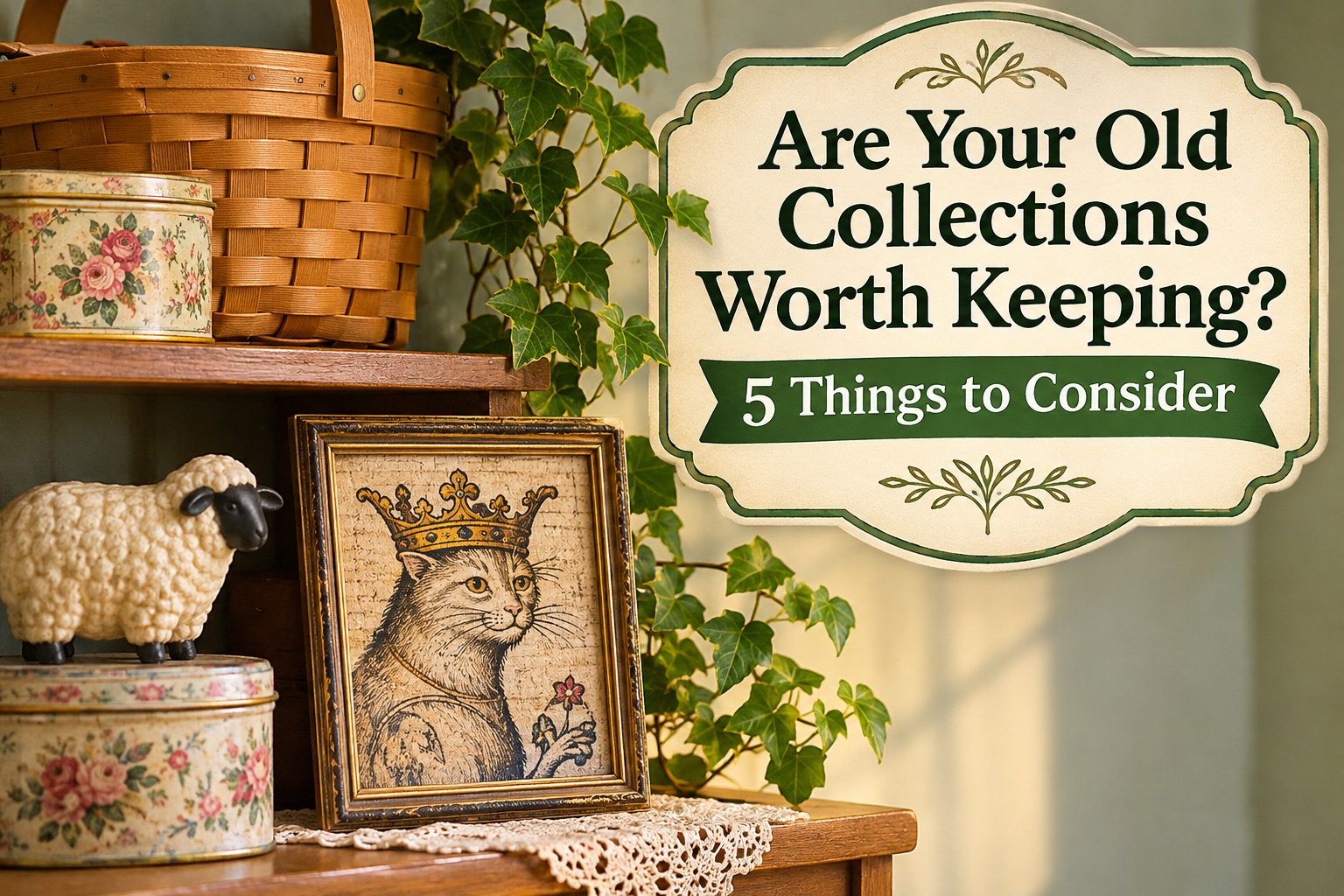
And why I’m not rushing to embrace the curated clutter trend.
Apparently, collections are back in style.
Well, isn’t that just wonderful.
I’ve spent a good portion of 2026 getting rid of things I’ve accumulated over the years. I’ve sold things, donated things, thrown things away, and worked my way through an astonishing number of storage tubs.
At one point, I had 22 tubs of stuff waiting for me to decide what to do with it.
Twenty-two!
I’ve made considerable progress, and I intend to keep going. I’m enjoying having less stuff to manage and more room to breathe.
And now I’m reading about curated clutter, a decorating trend that celebrates displaying collections, vintage finds, and interesting objects.
Of course.
I understand the appeal. A home filled with interesting, meaningful objects can be warm and welcoming. But there’s a difference between thoughtfully displaying things you love and simply finding new places for things you no longer want.
It got me thinking about the things we collect, why we collect them, and what happens when we no longer love them.
Because sometimes the problem isn’t that we have too much stuff.
Sometimes we’re still living with things that belonged to a different version of ourselves.
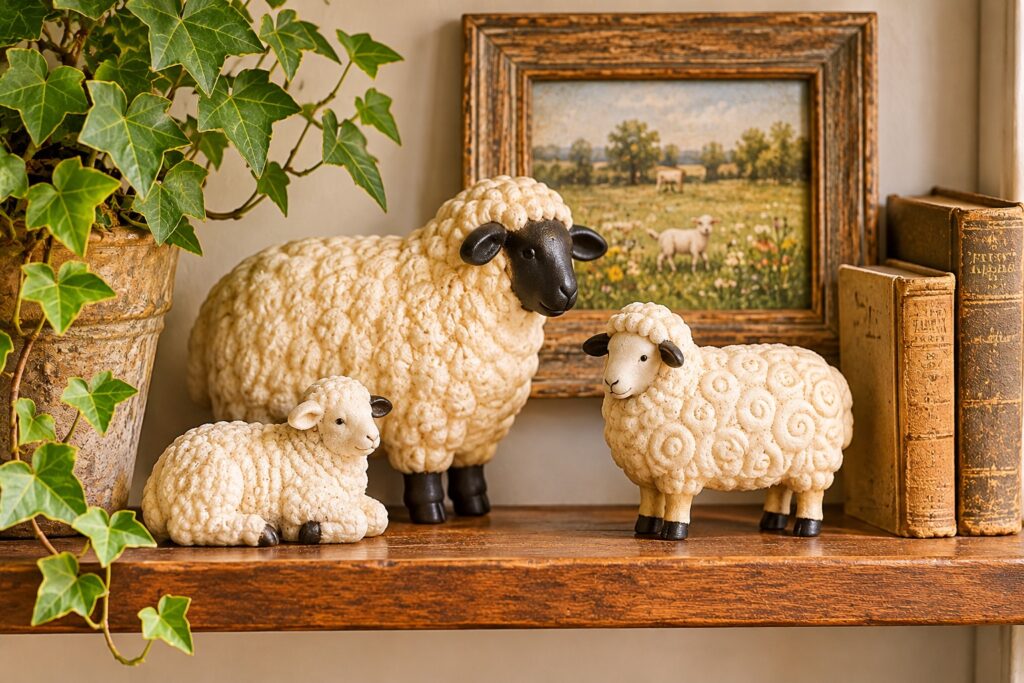
I Used to Collect Sheep
And decorative tins.
I liked the country decorating style, and both collections fit right in. I enjoyed finding new pieces and displaying them in my home.
But my tastes changed.
These days, the country look doesn’t appeal to me. The sheep and tins aren’t necessarily any less attractive than they were twenty years ago. They simply don’t suit the home I want today.
And here’s the thing: I don’t feel obligated to keep decorating the way I did twenty years ago.
Why should I?
We change our hairstyles, our clothes, and sometimes even our favorite foods. Why shouldn’t our decorating tastes change, too?
The trouble is that collections tend to accumulate quietly. One piece becomes five. Five becomes twenty. Before long, we’ve devoted shelves, cabinets, and storage space to something we may not even enjoy anymore.
So what do we do with those collections?
Here are five things I’ve learned while sorting through my own accumulated treasures.
1. Ask Yourself Whether You Still Love It
This sounds simple, but there’s a difference between loving a collection and remembering how much you once loved it.
Sometimes we keep things because we spent years finding them. Sometimes because they cost money. Sometimes because getting rid of them feels like admitting we made a mistake.
But enjoying a collection for fifteen years wasn’t a mistake.
You got fifteen years of enjoyment out of it!
Try this: Look at your collection as though you’re seeing it in an antique shop today.
Would you buy it again?
Would you make room for it in your house?
If the answer is no, perhaps the collection has served its purpose.
You don’t have to get rid of everything immediately. But you can give yourself permission to consider it.
2. Keep Your Favorites, Not Necessarily the Entire Collection
Maybe you still love your collection, but you don’t want quite so much of it.
That’s perfectly reasonable.
You can keep three favorite pieces of pottery without keeping all thirty. You can display a few treasured figurines without dedicating an entire cabinet to them.
Try this: Choose a specific shelf, cabinet, or display area for your collection.
Arrange your favorites first.
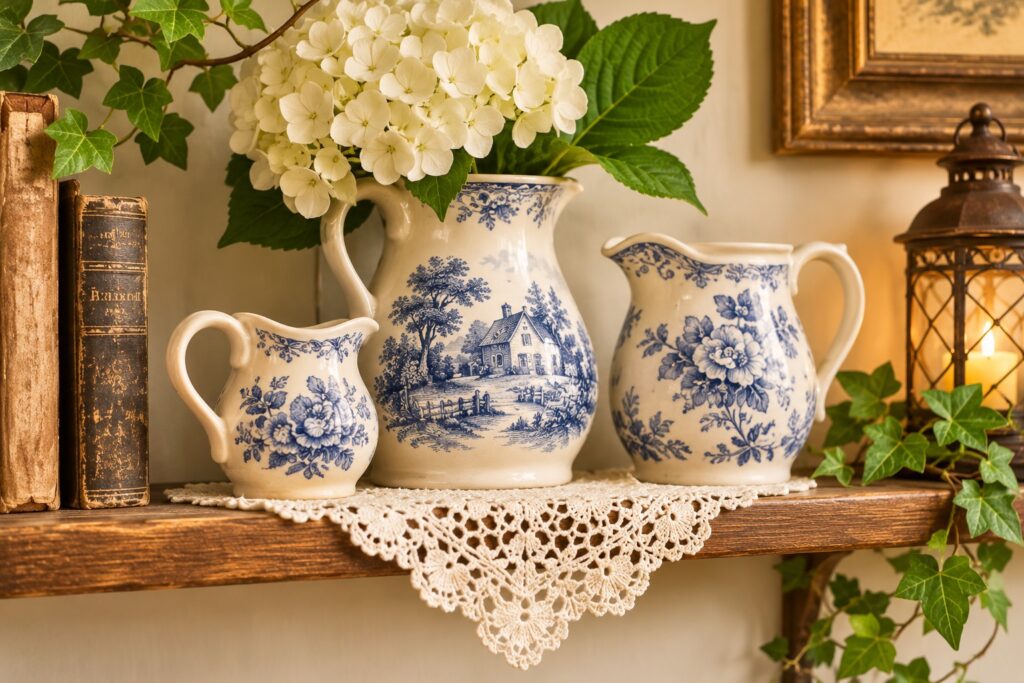
Give them a little breathing room. A few pieces arranged together often make more of an impression than a crowded shelf where nothing stands out.
And they’re considerably easier to dust.
Then look at what’s left.
Do you genuinely want those remaining pieces, or have you simply been keeping them because they’re part of the set?
There’s no rule that says a collection must remain complete forever.
And if one piece has a special family story or sentimental meaning, that’s a perfectly good reason to keep it.
The point isn’t to get rid of everything. It’s to make room for the things that still matter to you.
3. Find Out What Your Collection Is Actually Worth
Here’s a lesson I’ve learned firsthand: Just because something was expensive when you bought it doesn’t mean it’s valuable today.
Take my Longaberger baskets.
I have several, and anyone who remembers Longaberger knows those baskets weren’t cheap. They were beautifully made, collectible, and something people were willing to spend good money on.
Recently, I researched the resale value of several of mine.
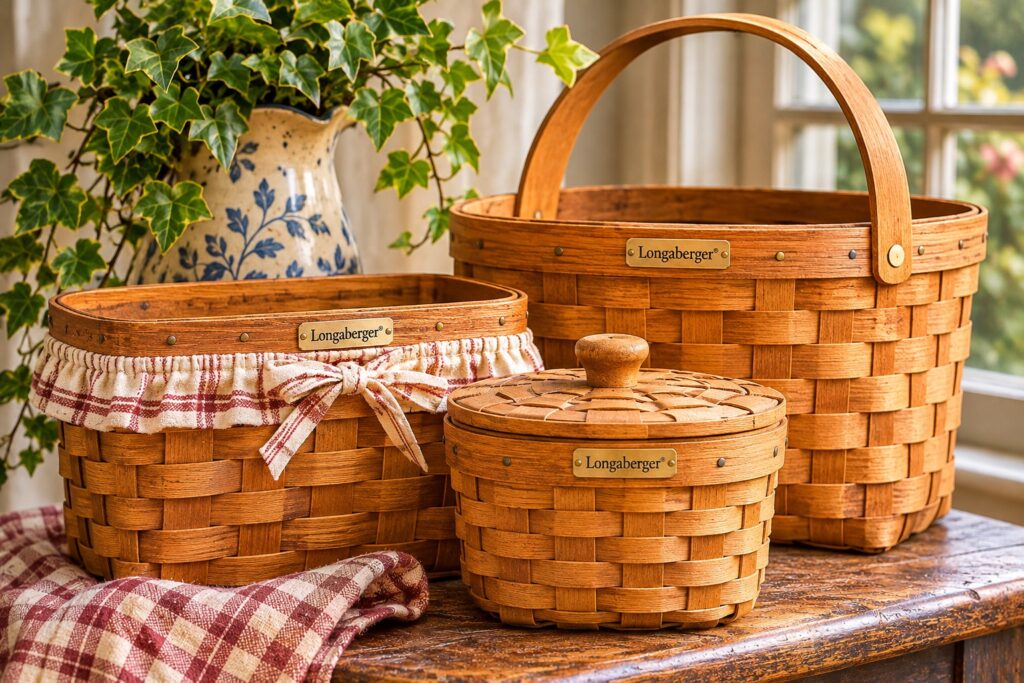
Let’s just say I won’t be financing a vacation with the proceeds.
Some are worth surprisingly little compared with their original prices. Certain rare or desirable baskets may still bring good prices, but many of the more common ones don’t.
That’s the problem with collectibles. Their value depends on what someone is willing to pay for them today, not what we paid years ago.
Here’s what I recommend before selling or donating a collection:
- Search eBay and select the Sold Items filter. Asking prices don’t tell you what buyers are actually paying.
- Compare items of similar size, age, condition, and completeness. Original packaging or accessories may affect the price.
- Consider selling fees, packing materials, shipping, and your time.
- Decide whether the likely profit justifies the effort.
I’ve been selling things as part of my decluttering project, and I’ve learned that some items simply aren’t worth listing individually.
And here’s another lesson: The money we originally spent is already gone. Keeping something we no longer want won’t bring it back.
Sometimes donating an item and reclaiming the space is the better deal.
4. Enjoy the Things You Love Without Bringing All of Them Home
Now here’s where I run into trouble.
Recently, I discovered the wonderfully bizarre cats depicted in medieval artwork. These aren’t ordinary cats, mind you. Some have strangely human faces and expressions that suggest they’re judging everyone around them.
I love them.
One particular crowned cat caught my attention. She has a rather delicate face, a regal expression, and an air of complete disapproval.
I’ve named her Lady Hairball.
Naturally, I began imagining a collection of medieval cats.
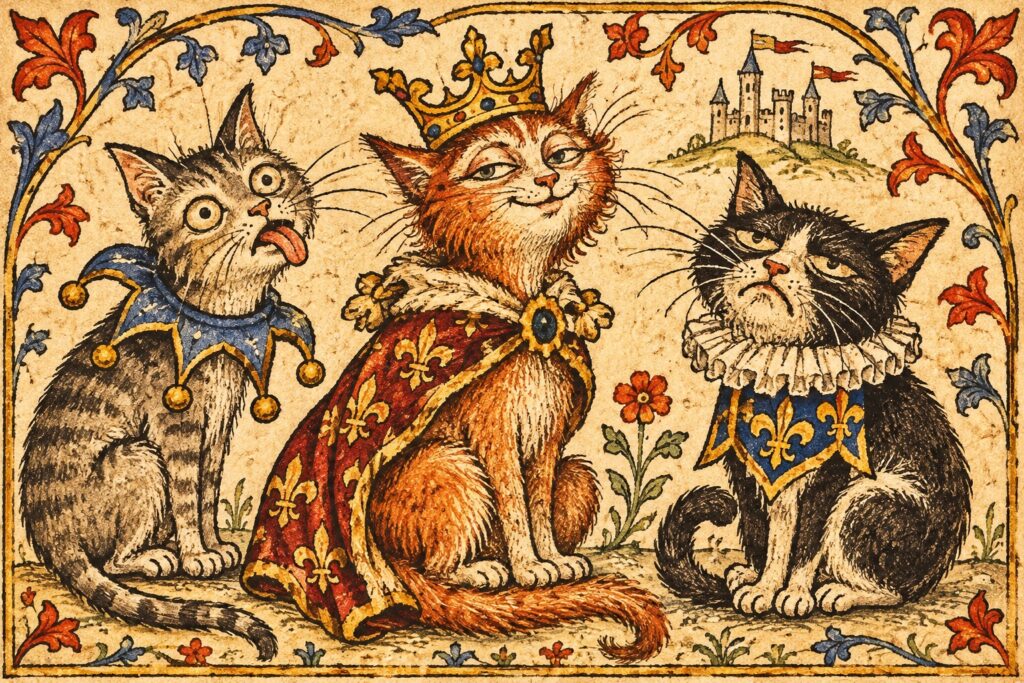
Because apparently, after spending months getting rid of things, I needed a new collection.
But then I had another idea.
What if I turned Lady Hairball into a cross-stitch design?
I could enjoy the artwork, have a creative project, and perhaps eventually display one finished piece.
No cabinet full of figurines required.
Try this: Before starting a new collection, consider whether there’s another way to enjoy the subject.
You might photograph interesting pieces, keep a digital inspiration folder, borrow books about the subject, or enjoy browsing antique shops without buying anything.
You can appreciate beautiful, funny, unusual things without owning every one you encounter.
Although I admit that stitching an entire collection of medieval cats could create a different problem.
We’ll cross that bridge when we get there.
5. Give Every New Collection a Little Reality Check
I don’t think there’s anything wrong with collecting.
A carefully displayed collection can make a home interesting and personal. I certainly don’t want my house to look like a furniture showroom.
But after dealing with 22 tubs of accumulated possessions, I’m a little more cautious about bringing new things home.
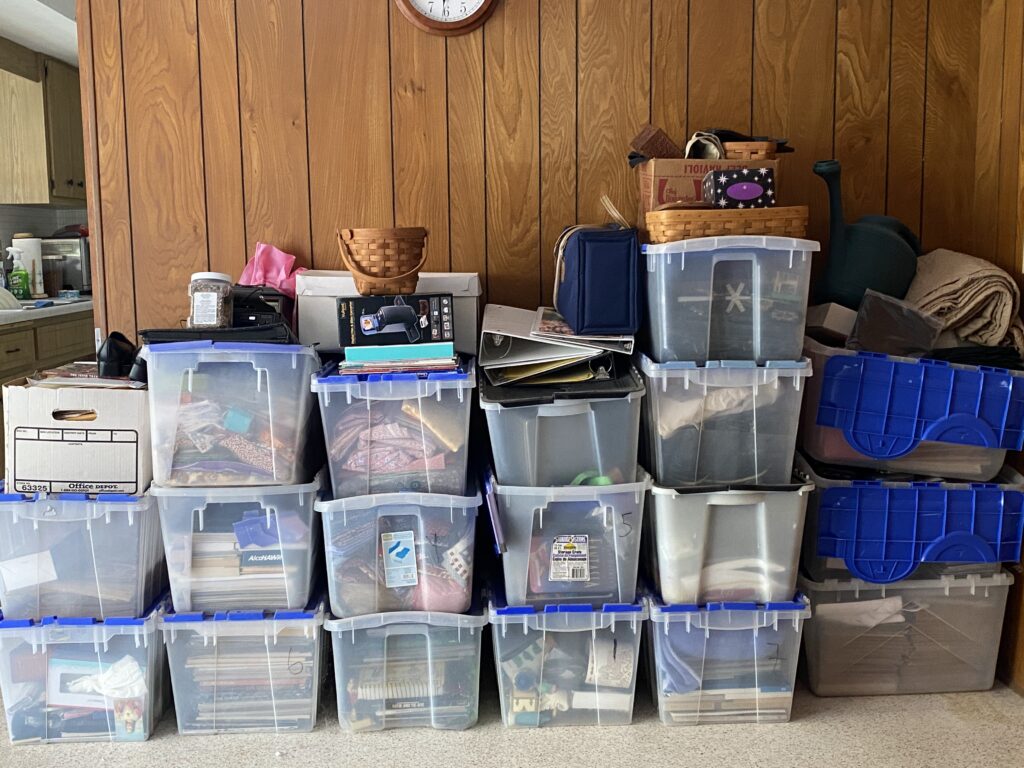
Before starting another collection, I think it’s worth asking three questions:
- Where will I put it? Not someday, after I buy another cabinet. Where will it go now?
- Would I still want it if it weren’t fashionable? Decorating trends come and go. My house has to work for me long after the trend disappears.
- Am I willing to take care of it? Everything we own eventually needs cleaning, organizing, storing, moving, selling, or giving away.
If I can answer those questions comfortably, perhaps the collection deserves a place in my home.
If not, I can admire it and move along.
A Home That Fits the Person You Are Today
I don’t regret collecting sheep or decorative tins.
I enjoyed them at the time. They suited my home and my tastes, and they made me happy.
But I’m not the same person I was twenty years ago, and my home doesn’t need to pretend otherwise.
That’s probably the biggest lesson I’ve learned from decluttering.
We’re allowed to outgrow things.
We’re allowed to keep a few favorites, sell what has value, donate what someone else might enjoy, and let go of things that no longer suit us.
And we’re allowed to discover new interests, too.
I’m still working toward a home with fewer unnecessary possessions and more room for the things I genuinely enjoy.
As for Lady Hairball?
She may eventually find her way into a cross-stitch frame.
But I don’t think she needs twenty-three companions.
At least, not yet.
What about you? Have you ever collected something you loved for years, only to realize your tastes had changed? Did you keep a few favorites, sell the collection, or let the whole thing go?