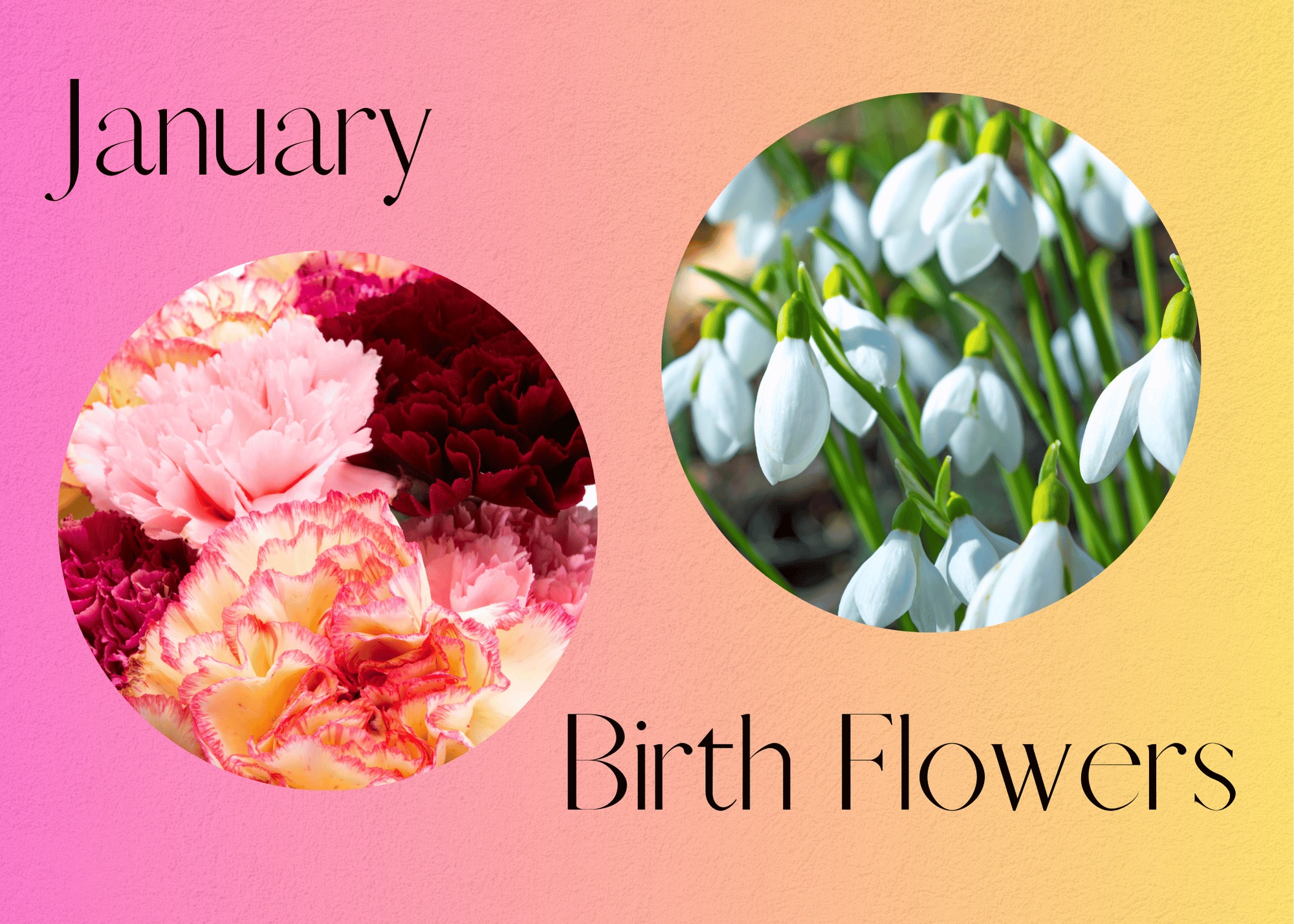
Last year, I started a series on monthly birth flowers. I’ve decided to revive this topic because I find floriography absolutely fascinating! I’ve been searching for more information ever since I watched The Lost Flowers of Alice Hart with Sigourney Weaver.
Floriography – the practice of assigning emotions and meanings to flowers and plants – meshes perfectly with my love of gardening. Last year, I decided to start with the birth flowers of each month, and I’m excited to continue the series this year.
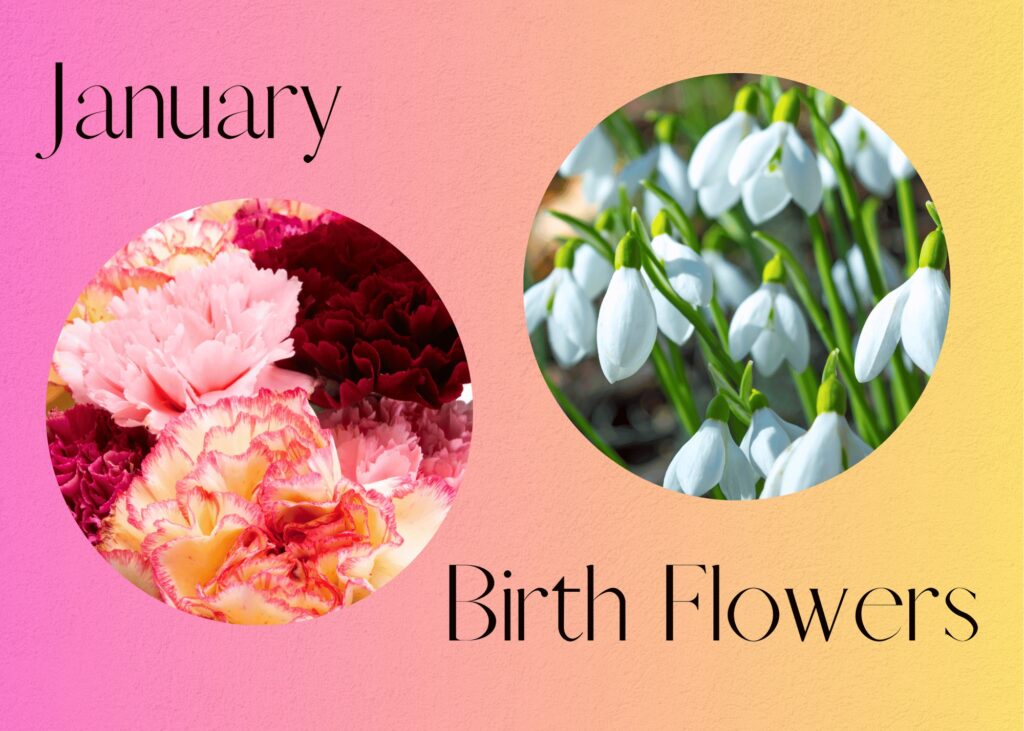
January has two birth flowers – Carnation and Snowdrop. These flowers have rich histories and special meanings that have lasted for centuries. They’re beautiful additions to the garden (if they’ll grow in your zone!), and if you know me, you know I’m always looking for a craft project. These January flowers deliver on both counts!
What is a Carnation? A Flower of Love and Distinction
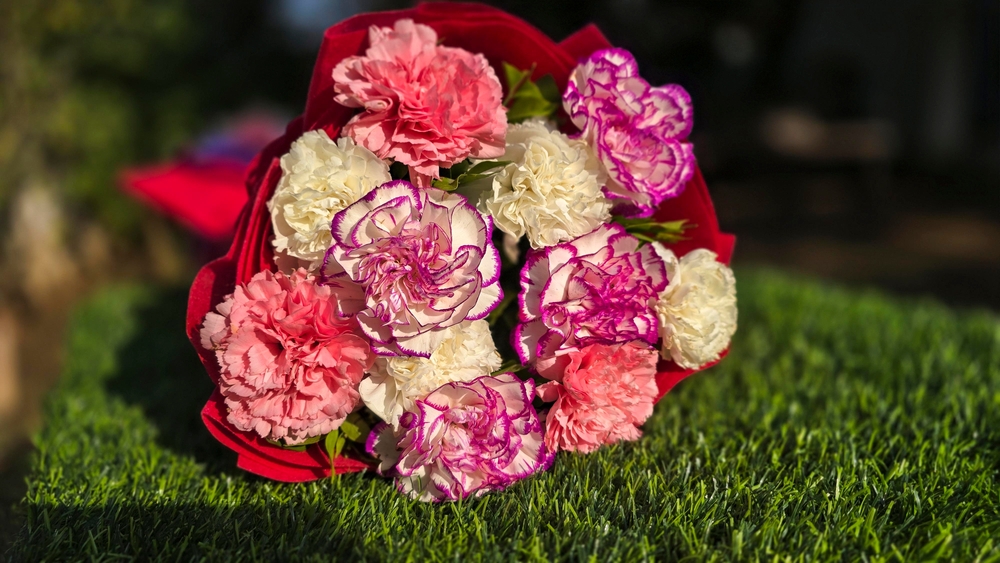
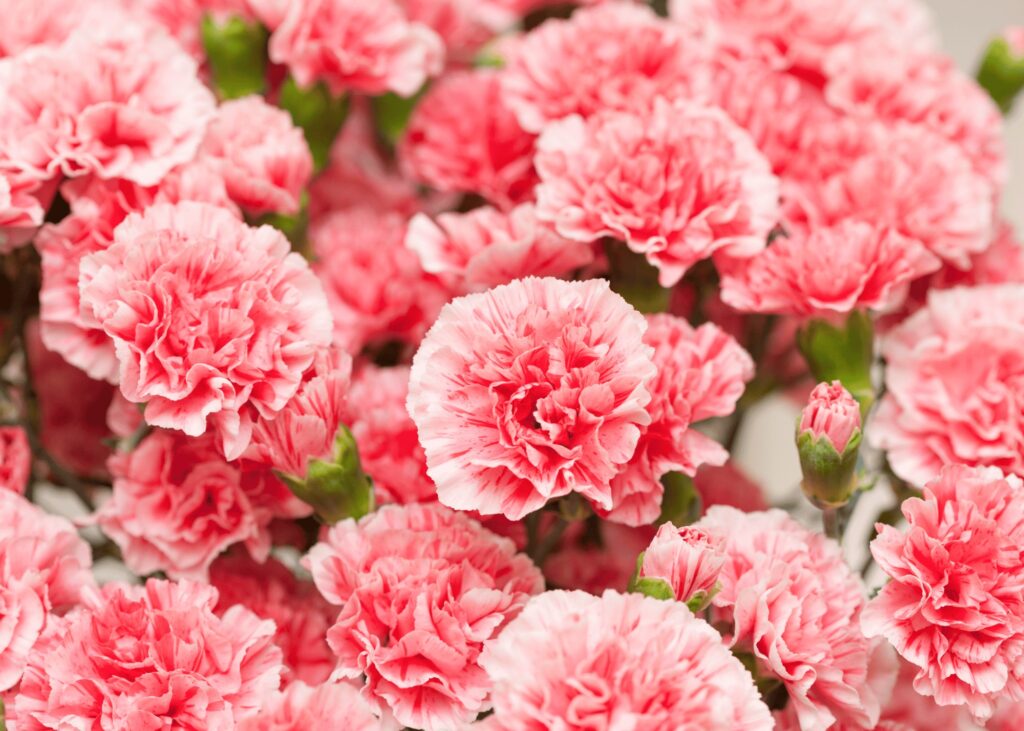
Carnation (scientific name: Dianthus caryophyllus) is a ruffled flower with layers of delicate petals. The flowers have a sweet, spicy fragrance and come in almost every color imaginable. People connect Carnations with love, fascination, and distinction.
The flower’s name comes from “coronation” or “corone” (flower garlands). For thousands of years, people have used Carnations in celebrations and ceremonies. Ancient Greeks and Romans wore them in crowns and garlands. They’re often given to loved ones to show deep affection and admiration.
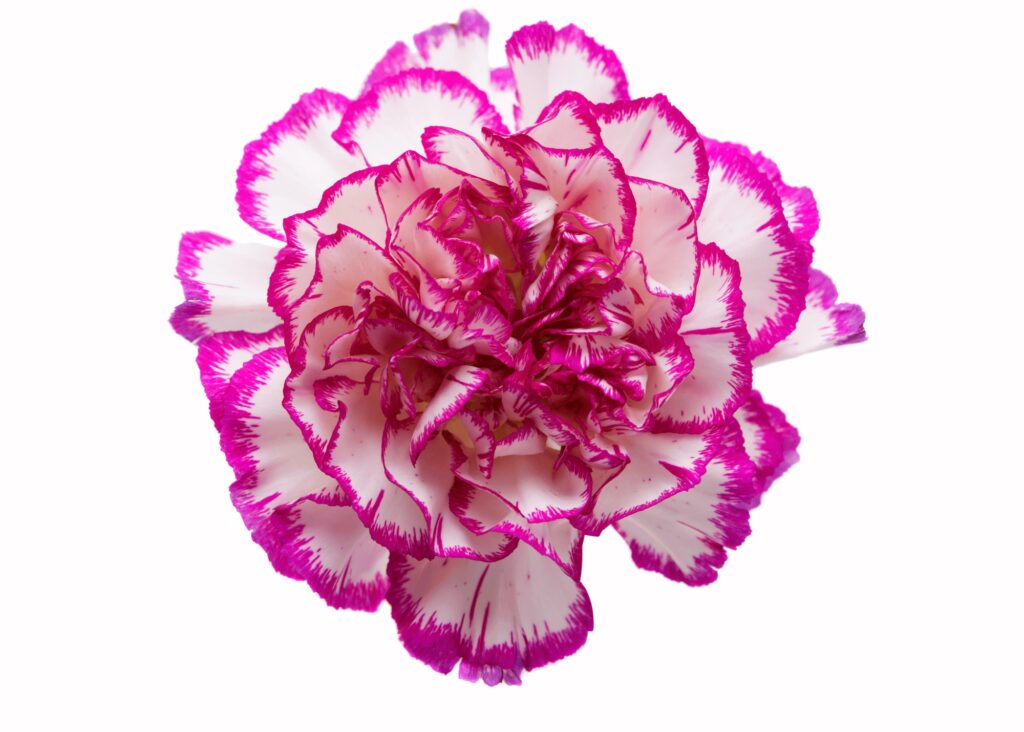
What does Carnation mean? In flower language (called floriography), Carnations have different meanings based on their color. Red Carnations mean deep love and admiration. Pink Carnations represent a mother’s eternal love. White Carnations symbolize pure love and good luck. Striped Carnations can mean regret or refusal. Overall, Carnations represent devotion and fascination.
How to Grow Carnations in Your Garden
Carnations are wonderful flowers that add color, fragrance, and old-fashioned charm to any garden. These flowers grow well in mild climates and work great in USDA plant zones 5-9. In Florida’s Zone 10A, you can grow them as cool-season annuals for winter and spring color.
When to Plant Carnations: The best time to plant depends on where you live:
- Northern areas (Zones 5-7): Plant in spring after the last frost for summer blooms
- Milder areas (Zones 8-9): Plant in fall for winter and spring flowers
- Warm areas (Zones 10-11): Plant in late fall to early winter (October-December) for cool-season color
Best Growing Conditions:
- Sunlight: Needs full sun for at least 6 hours each day
- Soil: Must drain well with slightly alkaline pH (6.7-7.0)
- Temperature: Grows best when it’s 50°F to 65°F
- Climate: Prefers cool nights and mild days
How to Care for Carnations: Keep the soil evenly moist but not waterlogged. Carnations don’t like wet feet! Deadhead spent blooms regularly to encourage more flowers. Feed with balanced fertilizer every 4-6 weeks during the growing season. Watch for aphids and spider mites, especially in dry weather.
Types and Garden Design: Carnations come in many beautiful colors including red, pink, white, yellow, purple, and stunning striped varieties. Standard Carnations can grow 18-24 inches tall and work great in cutting gardens and borders. Dwarf varieties grow 8-12 inches high and are perfect for containers and edging. The ruffled blooms make excellent cut flowers that last up to two weeks in a vase!
Carnation Craft Projects and Ideas
When my son was young, I homeschooled him, frequently using unit studies. I loved wrapping as many subjects as possible around a single topic – like the Revolutionary War. We’d do reading, visit reenactments or historical sites, write, try period recipes, watch movies, create art. We even tackled science, like learning to build a fire with limited materials.
I still approach my own personal studies the same way. Is there a craft or something I can make – whether it’s cooking, cross stitching, or growing – that I can tie in with what I’m learning?
While searching for flower-related projects, I stumbled into the cross stitch designs of Ellen Maurer-Stroh. Ellen Maurer-Stroh’s 2010 Flower of the Month series includes a gorgeous free Carnation pattern It’s definitely on my list of to-do stitching!
What is a Snowdrop? A Flower of Hope and Renewal
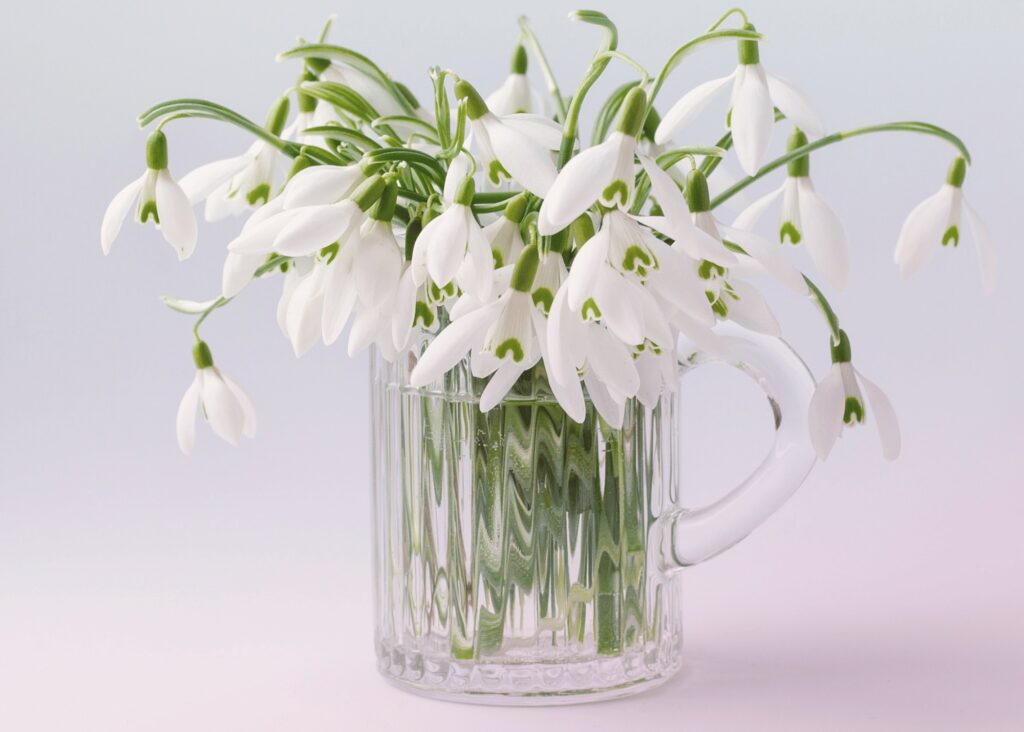
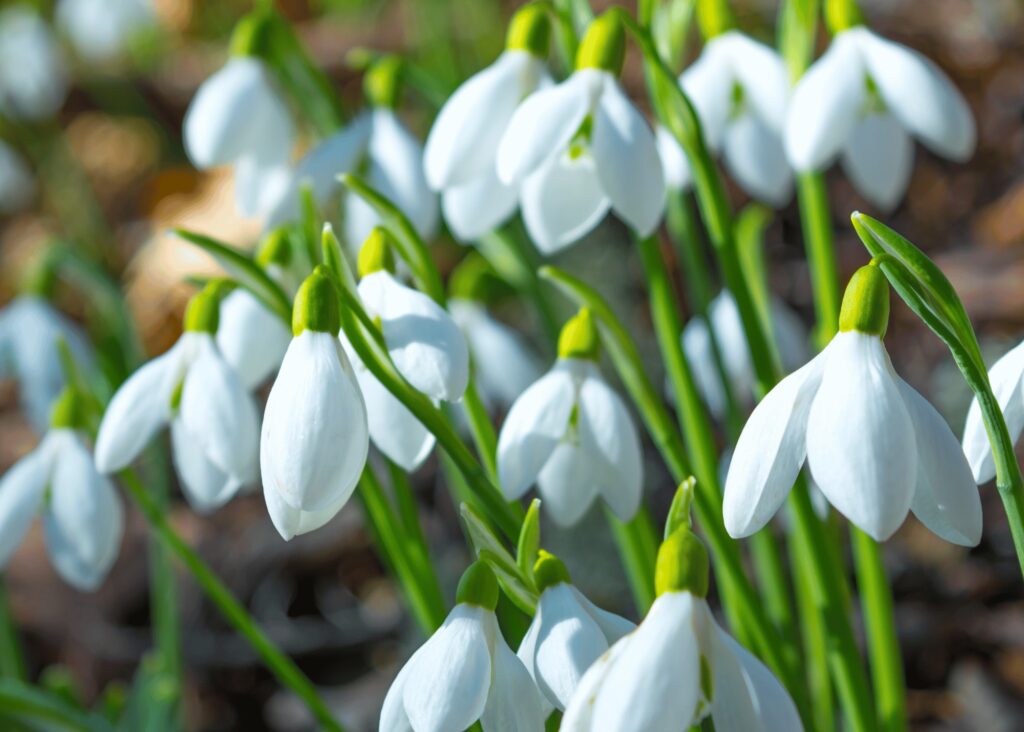
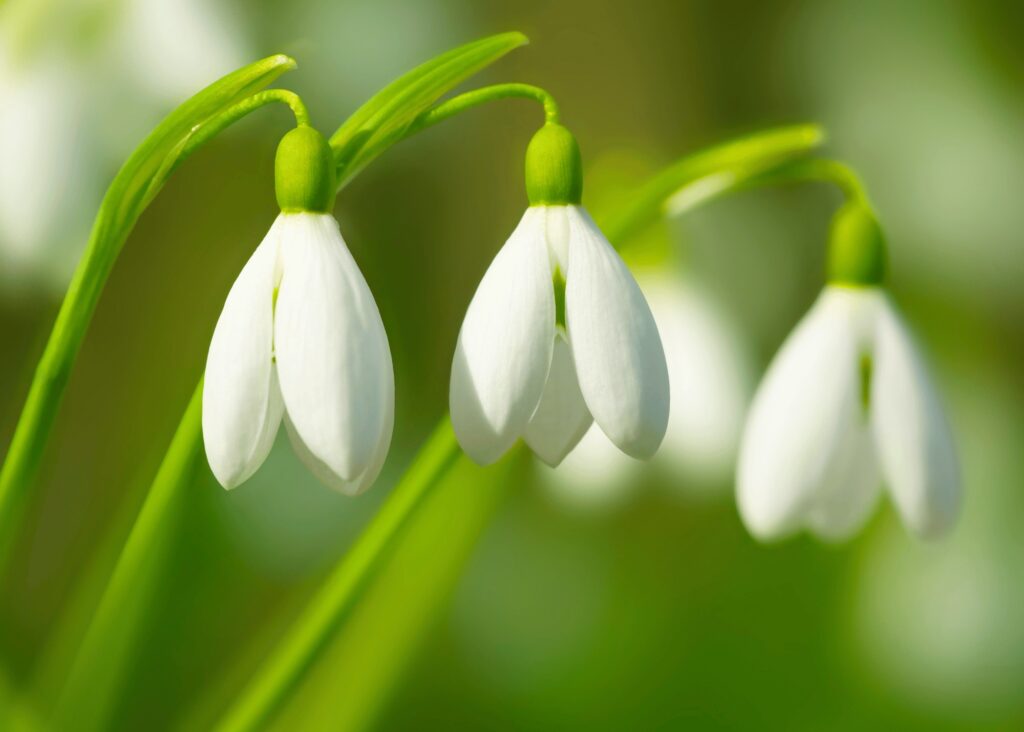
The Snowdrop (scientific name: Galanthus) is the second birth flower for January. It’s known for its delicate white bells that often push through snow to bloom. Snowdrops have deep meaning and represent hope, purity, and new beginnings.
Snowdrop History and Meaning: Snowdrops are among the first flowers to bloom each year, often appearing while snow is still on the ground. This brave early blooming made them symbols of hope and the promise of spring. In Victorian times, Snowdrops represented purity and consolation. Today, Snowdrops still represent optimism, fresh starts, and the courage to begin again.
How to Grow Snowdrops in Your Garden
Snowdrops are different from Carnations because they grow from bulbs and need a cold period to bloom. They’re perfect for northern gardens but challenging in warm climates like Florida. If you’re in Zone 10A, you can try them as pre-chilled bulbs in containers, but they’re best suited for cooler regions.
What Snowdrops Need to Grow:
- Sunlight: Prefer partial shade to full sun in cooler climates
- Soil: Well-draining, rich in organic matter
- Temperature: Need cold winter temperatures (below 40°F) for several weeks
- Moisture: Keep soil consistently moist but not soggy
When to Plant Snowdrops: In most areas, plant Snowdrop bulbs in fall (September-November). This gives them time to establish roots before winter. In warm climates, you can try planting pre-chilled bulbs in December-January in containers and keeping them in the coolest spot available.
How to Plant Snowdrops:
- Plant bulbs 3-4 inches deep and 3 inches apart
- Choose a spot with morning sun and afternoon shade
- Add compost to improve soil quality
- Water well after planting
- In warm climates, use containers so you can control temperature and moisture
Snowdrop Colors and Types: Snowdrops bloom in white with green markings on the inner petals. Their nodding, bell-shaped flowers look delicate but are surprisingly tough. Most varieties grow 4-6 inches tall. They look beautiful planted in groups, naturalizing under trees, or peeking out from garden beds.
Snowdrop Craft Projects and Ideas
Now quite frankly, I have enough projects in my queue to last a long time! But I did find a couple of cross stitch patterns that I liked very much. I’m not an affiliate with either of these designers, but I’m sharing them here so I can find them again when I decide to add this to my to-do list.
From WonderStitchUA is this very nice snowdrops pattern. When I looked at her Etsy page, this designer actually offered several digital patterns that were quite nice.
And from StitchOnGoodLuck comes this different snowdrop cross stitch pattern that I find quite appealing.
I can think of so many different ways to use carnations and snowdrops in crafting – pressed flowers for bookmarks or greeting cards, crochet flowers (especially for carnations), embroidery (I found several lovely patterns for snowdrops in particular).
But for me, it’s Ellen Maurer-Stroh’s carnation pattern first, and then if I need a new favorite, probably the StitchOnGoodLuck snowdrop pattern.
Whether you’re making framed art, greeting cards, or decorative items, Snowdrops add a sense of hope and fresh beginnings to handmade creations.
Why January Birth Flowers Make Great Gifts and Projects
Carnations and Snowdrops are both meaningful and beautiful flowers for January – they represent love, hope, new beginnings, and the courage to start fresh. Perfect symbolism for starting a new year!
While I’m not likely to attempt growing either of these in my Zone 10A Florida garden (carnations maybe as a cool-season annual, but snowdrops? Not happening!), I do plan to stitch them. So I better get busy on that to-do list!
Check back next month for February’s birth flowers.