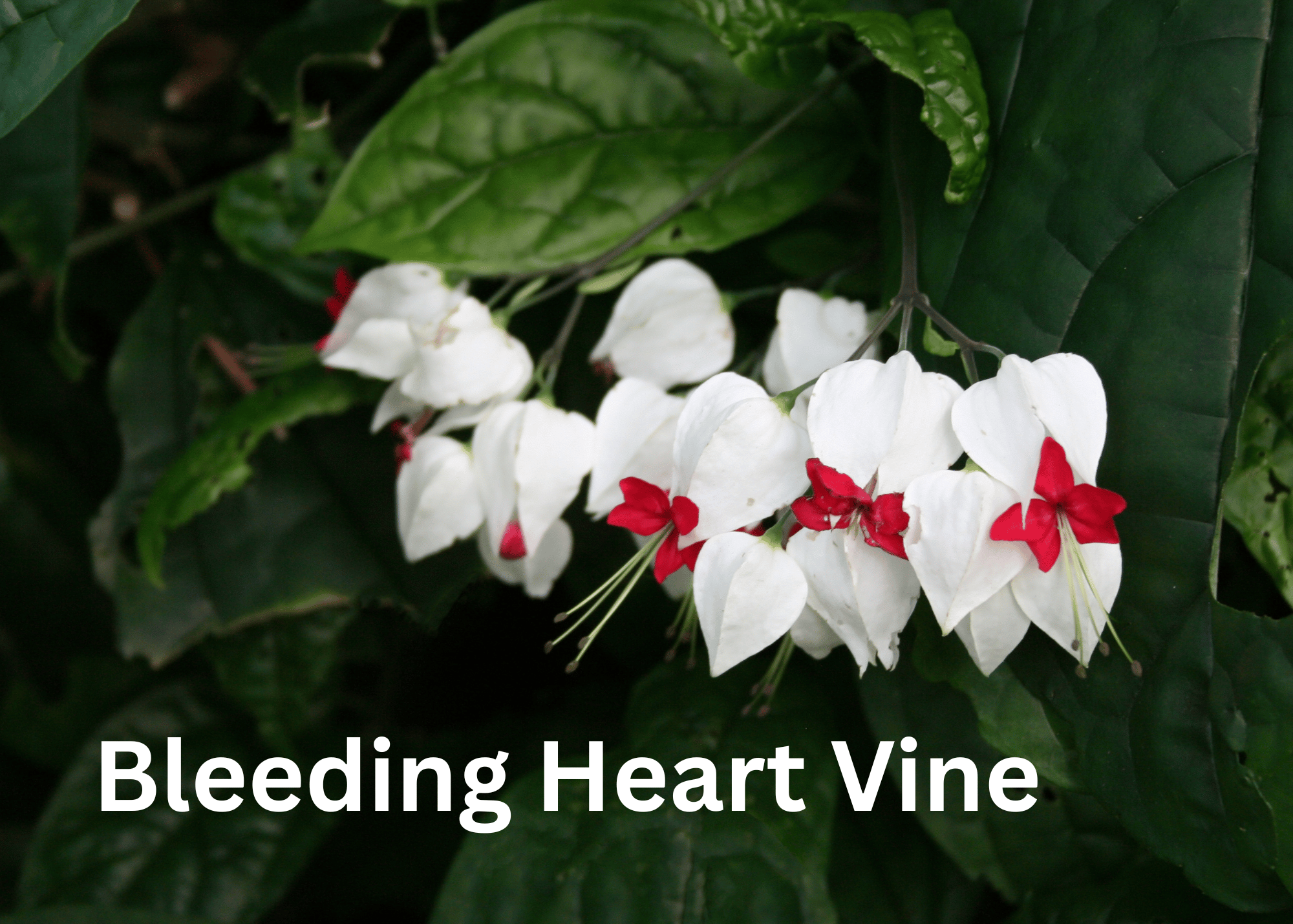
Looking to add a splash of bold color and tropical flair to your garden? Bleeding heart vine might be just what you need. With red and white blooms that look like tiny hearts, this vine is a real standout. It’s fast-growing, easy to care for, and perfect for training on a trellis, fence, or arbor.
Even better? It’s not just for Florida or other tropical areas. With a little planning, gardeners across many zones can enjoy its charm, too.
What Is Bleeding Heart Vine?
Bleeding heart vine (Clerodendrum thomsoniae) is a tropical evergreen native to West Africa. Its claim to fame is its striking two-tone blooms—white calyxes that open to reveal bright red petals, giving the appearance of a heart “bleeding” from its base. The flowers grow in clusters and bloom repeatedly during warm weather.

This vine isn’t just pretty—it’s also practical. Because it’s a twining climber, it makes an excellent choice for vertical gardening. Whether you want to soften a fence, shade a porch, or fill a blank wall with vibrant color, bleeding heart vine can help.
Where Can It Grow?
Warm Zones (USDA 9–11)
In frost-free regions like Florida, southern Texas, and coastal California, bleeding heart vine grows happily in the ground year-round. Once established, it fills in quickly and blooms freely in spring, summer, and even into fall. The vine can reach 10–15 feet if not pruned.
Cooler Zones (USDA 8 and below)
Don’t count yourself out if you live where winters get chilly. Gardeners in zones 8 and under can grow bleeding heart vine in a large pot. Treat it like a seasonal plant—bring it outdoors after the last frost and enjoy its growth all summer long. Before nighttime temperatures dip below 50°F, bring it indoors. It adjusts surprisingly well to indoor life, especially if placed near a sunny window or under grow lights.

Growing Tips for Success
Light: Bleeding heart vine prefers full sun but can handle some light shade. If grown indoors, place it in a bright, sunny spot—ideally a south- or west-facing window. Too much shade results in leggy growth and fewer flowers.
Soil: Plant in well-draining soil. If planting in the ground, mix in compost to enrich the soil and improve drainage. In containers, use a high-quality potting mix and make sure your pot has drainage holes.
Water: Water regularly, especially during active growth and hot weather. Let the top inch of soil dry out before watering again. Overwatering or soggy soil can lead to root rot, so make sure the container drains well.
Support: This vine loves to climb. Give it a trellis, arbor, or pergola—or let it spill attractively over the edge of a large pot. In small spaces, try guiding it up a tomato cage or hoop support for a tidy look.
Pruning: Bleeding heart vine can get a little wild if left unchecked. Prune lightly throughout the growing season to shape and control its size. In early spring, you can cut it back more aggressively to encourage bushier growth and more blooms.

Vital Statistics
- Botanical Name: Clerodendrum thomsoniae
- Common Name: Bleeding Heart Vine
- USDA Zones: 9–11 (perennial); can be overwintered indoors in cooler zones
- Growth Habit: Twining vine, 8–15 feet tall with support
- Light Needs: Full sun to partial shade
- Watering Needs: Moderate; allow soil to dry slightly between waterings
- Bloom Time: Spring through fall (with warmth and light)
- Flower Color: Red and white
- Toxicity: Non-toxic to humans but may cause stomach upset if ingested by pets
- Propagation: Easily grown from softwood cuttings
- Best Features: Striking blooms, fast growth, easy to train and propagate
Easy to Propagate
One of the joys of growing bleeding heart vine is how easy it is to share. Take 4–6 inch stem cuttings from a healthy plant. Remove the lower leaves and place the cuttings in water or a moist, soilless potting mix. Keep them warm and out of direct sun, and roots should appear within two to three weeks.
Once rooted, pot them up and let them grow a bit before transplanting or gifting. It’s a fun, budget-friendly way to multiply your plants or brighten a friend’s garden.

Indoor Care Tips
If you plan to overwinter your bleeding heart vine indoors, it helps to prepare it before the move:
- Acclimate Slowly: Bring it in before your nights dip too low. This prevents shock and leaf drop.
- Reduce Watering: Indoor plants don’t need as much water, especially during winter dormancy.
- Light It Up: A bright, sunny window is ideal. If light is limited, use a grow light for 12–14 hours per day.
- Humidity Helps: If your home is dry, set the pot on a tray of pebbles and water or run a small humidifier nearby.
Some leaf yellowing or light bloom loss may occur indoors, but once it returns outside in spring, it usually rebounds beautifully.
Final Thoughts
Bleeding heart vine is a gorgeous, fast-growing climber that brings instant impact to any garden. Its unique flowers, tropical vibe, and easygoing nature make it a standout in warm climates—and a delightful seasonal companion in cooler zones.
Whether you grow it in the ground or in a pot, indoors or out, this vine is sure to turn heads. If you’ve got a blank wall, a boring fence, or just a love of plants with personality, give bleeding heart vine a try. It might just steal your heart.